


Eight out of ten people who buy a turntable will ask the same question the very next day:Why is there no sound?The answer is usually not that the turntable is faulty, but that you are still missing three things behind it—a phono preamp, speakers, and a location that will not vibrate enough to cause the needle to skip. This article will not compare which turntable is better (we have another article about the LP70X series); it will only coverthe 5 things you need to buy besides the turntableand whether the 7 in-stock models in our store actually require an external phono preamp.
30-second conclusion:① A stylus brush and cleaning fluid cost only a few dozen dollars, but they determine how many years your records will last; ② A turntable must not share the same surface as the speakers—the most common cause of failure in Hong Kong's small apartments; ③ Check whether the specifications say “Phono/Line switchable”—if so, you can connect it to powered speakers and get sound immediately; if not, you need to buy a phono preamp; ④ Powered speakers are more suitable for Hong Kong homes than passive speakers+an amplifier; ⑤ Store records vertically, away from sunlight, and use anti-static inner sleeves. We will explain each point below.
1. First, identify which type of turntable you have (or want to buy)
This step determines what you need to buy next, so do not skip it. You can tell by checking three places in the specifications:
- Built-in phono preamp (Phono/Line switchable)—Connect the red and white cables to powered speakers and you will get sound. Of our 7 models, 4 fall into this category.
- Phono-level output only—You must connect it to an amplifierwith a Phono inputor an external phono preamp. If you connect it directly to regular speakers, the volume will be extremely low, and the bass will be completely wrong because of the RIAA curve.
- Bluetooth output—You can connect it directly to Bluetooth speakers or headphones, making it suitable for apartments without space for an amplifier; the trade-offs are latency and compression, so a wired connection is still recommended for serious listening.
2. Essential purchase 1: Stylus cleaning (a few dozen dollars, but the biggest impact)
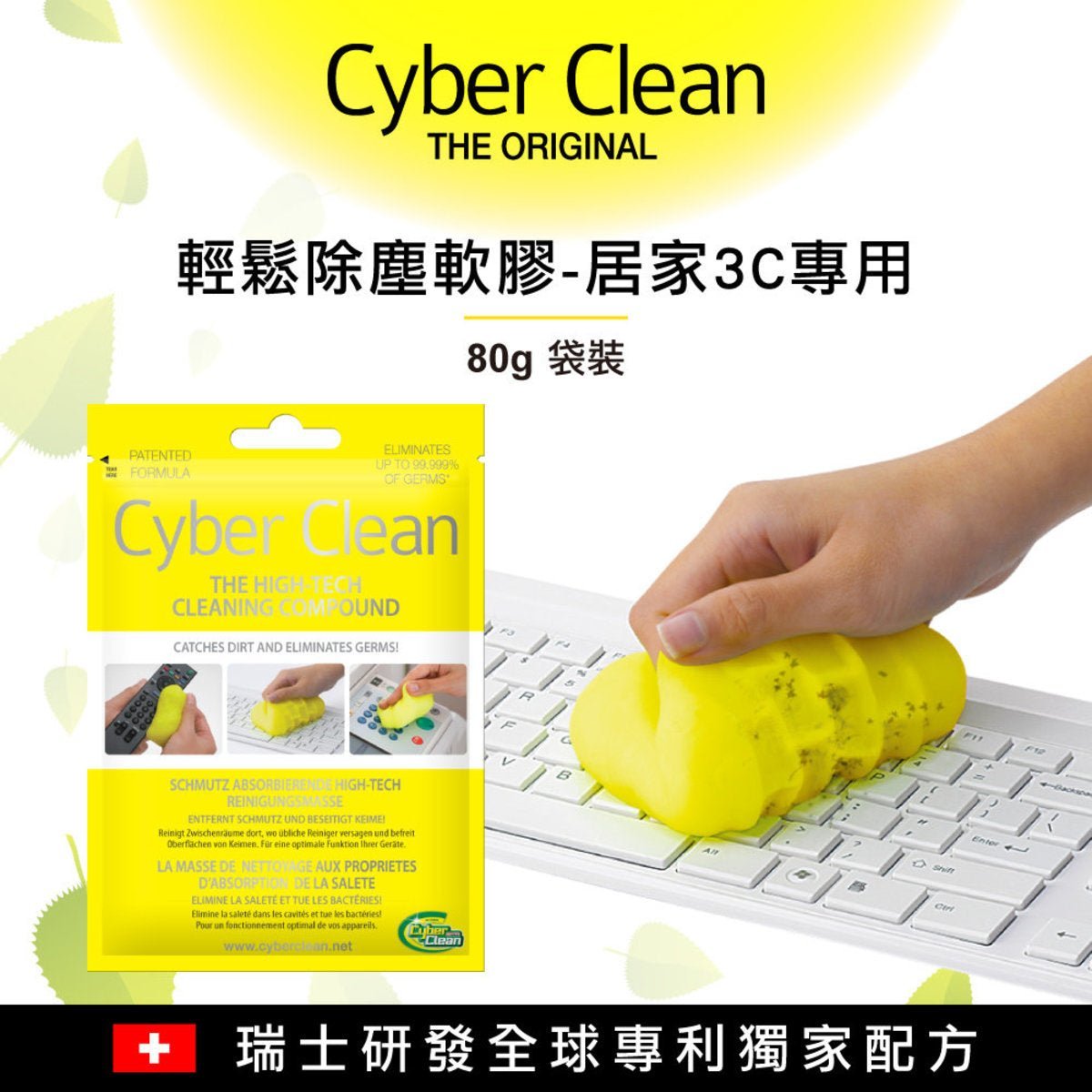
Dust sticks to the stylus every time it touches down. Dust forms a layer of “padding” between the stylus tip and the record grooves, with high frequencies being the first to disappear—you may wonder, “Why don't my brand-new records sound clear enough?” In serious cases, the needle may skip. How to do it: Before every playback, use a carbon-fiber brush to sweep the record surface once; after every few records, use a stylus brush to sweep the stylus tip from back to front (do not brush from side to sideas this may bend the cantilever). A stylus typically lasts 500–1,000 hours. When the high frequencies become noticeably dull or the left and right channels become unbalanced, it is time to replace it.
We do not sell this item because we do not want to force you to buy something available at any audio store. If you would like to ask which brush is suitable for your turntable when placing an order, you can WhatsApp us directly.
3. Essential purchase 2: Vibration isolation and leveling (the most common cause of failure in Hong Kong)
Vinyl playback is mechanical: the stylus vibrates in the grooves, and any external vibration will also be read as sound. The most typical situation in a small Hong Kong apartment is this—the turntable and speakers are placed on the same cabinet, and when you turn up the volume, the bass feeds back. It sounds like “the bass is too bloated and the vocals are too muddy,” but in reality, the speakers are shaking the turntable.
- Physical isolation:Do not place the turntable and speakers on the same surface. If you really have no space, place a stone slab, isolation pad, or plywood+rubber pad underneath the turntable.
- Leveling:Use a bubble level to adjust it, ensuring all four corners are level. If it is not level, the stylus will place different loads on the left and right channels, and skipping is especially likely on the inner grooves.
- Wall mount:The most thorough solution is a wall shelf (vibrations travel through the wall instead of the floor), but drilling is usually not allowed in rental properties.
4. Essential purchase 3: Phono preamp (Phono Stage)—the item most people forget to buy
A phono preamp has two functions: amplifying the extremely weak signal from the cartridge and restoring the RIAA equalization curve. Without these two processes, the sound will be both quiet and thin. There are two situations:
- Turntable with a built-in, switchable Phono/Line preamp:Switch it to Line, connect it to powered speakers, and you are done.
- Turntable with Phono output only:You need an external phono preamp (good options are available from HK$300–1,500), or an amplifier with a Phono input.
Taking our 7 in-stock models as examples:AT-LP8XThe product page clearly states: “Provides Phono-level output and must be connected to an amplifier with a phono input or an external phono preamp.” In other words, if you buy an HK$8,299 turntable, you still need to budget for a phono preamp.AT-LPW40WN、AT-LP120XBT-USB、AT-LPW50BTAll three have a built-in, switchable phono preamp, so you can connect them to powered speakers and get sound immediately.AT-LP140XPThis is a DJ turntable. The product specifications do not list a built-in phono preamp, so if you want to connect it to a standard amplifier, remember to budget for an external phono preamp.
5. Essential purchase 4: Speakers (powered vs passive—the answer is clear in Hong Kong)
Powered speakers=built-in amplifier; plug them in and connect the signal, and they will play. Passive speakers=require a separate amplifier. Given the space and budget constraints in Hong Kong,powered speakers are almost always the answer: One less piece of equipment, one fewer pair of speaker cables, and one less placement problem. Turntables with Bluetooth output (SB727、LP120XBT-USB、LPW50BT、VRP-7) can also connect directly to Bluetooth speakers, so you do not even need to run cables.
Recommended budget allocation: approximately Turntable 5: Phono preamp 2: Speakers 3With entry-level setups, putting money into speakers usually yields more benefit than putting it into a more expensive turntable.
6. Must-buy 5: Record care (extends lifespan, nothing to do with audiophile superstition)
- Store vertically:Records can warp if stored flat for long periods.
- Avoid sunlight and heat:Vinyl warps when exposed to heat, so window-side spots are unsuitable.
- Anti-static inner sleeves:Original paper sleeves can scratch the surface; switching to anti-static inner sleeves is the most affordable protection.
- Record cleaning:Second-hand records should always be cleaned, as mold and finger oils can remain in the grooves.
7. 7 turntables in stock storewide (prices read in real time)
| Model | Drive | Built-in phono preamp | Bluetooth | USB | Price | Suitable for |
|---|---|---|---|---|---|---|
| SoundWiser VRP-7 Wireless Bluetooth Vinyl Turntable | Belt drive · 3 speeds | Yes (Bluetooth + RCA) | Bluetooth 5.3 | — | HK$688 | Those who want to try vinyl at the lowest price and prefer a retro look |
| AUDIO TECHNICA Sound Burger AT-SB7 | Belt drive · Portable | Line output (No Phono) | Bluetooth 5.2 · Built-in battery, 12 hours | — | HK$1,159 | Renters / those with limited space / those who want to take it to friends’ homes |
| AUDIO TECHNICA AT-LPW40WN Belt-Drive Vinyl Turntable | Belt drive · Fully manual | Yes · Phono/Line switchable | No | — | HK$3,099 | Serious listeners who already have an amplifier |
| Audio-Technica AT-LP120XBT-USB Wireless Direct... | Direct drive · Fully manual | Yes · Switchable | Bluetooth 5.0 (aptX Adaptive) | Yes · Can convert to digital files | HK$3,499 | Those who want to enjoy both vinyl and digital recording |
| Audio-Technica AT-LP140XP DJ Professional Direct-Drive | Direct drive · DJ | Not listed on the product page (an external phono preamp is recommended) | None | — | HK$3,999 | For DJing/scratching, requires 78 RPM and high torque |
| Audio Technica AT-LPW50BT RW wireless belt-drive turntable | Belt drive · Fully manual | Yes · Switchable | Yes (30mm MDF plinth) | — | HK$4,199 | Mainly for the living room; want to connect speakers wirelessly |
| Audio-Technica AT-LP8X semi-automatic direct-drive turntable | Direct drive · Semi-automatic | No · Phono-level output only | No | — | HK$8,299 | For high-end listening with an existing phono stage/amplifier |
The prices in the table are read in real time from the product data. The “Built-in phono stage” column is based on the specifications on each product page; this item is not listed on the AT-LP140XP product page, so we recommend checking with us before placing an order.
Eight: Three Budget Combinations
Combination A: The cheapest way to try vinyl — HK$688
The SoundWiser VRP-7 is a three-speed belt-drive turntable with built-in Bluetooth 5.3, RCA and headphone outputs, and an Audio-Technica AT-3600L cartridge. Just connect a pair of powered speakers or Bluetooth speakers and start listening. Suitable for those who are “not sure whether they’ll stick with vinyl.”
Combination B: A serious entry-level setup — HK$3,099
The AT-LPW40WN is a belt-drive turntable with a built-in switchable phono preamp (Phono/Line), carbon-fiber tonearm, MDF walnut-grain plinth, and AT-VM95E cartridge. Connect powered speakers and you’re ready to listen; there’s no need to buy a separate phono stage. This is the one I would recommend to most people.
Combination C: One step to the finish line — HK$8,299
The AT-LP8X is a semi-automatic direct-drive turntable with 33⅓/45/78 RPM speeds, adjustable VTA, and a 25mm rubber-damped die-cast aluminum platter. Note that itonly has Phono output, so you’ll need to prepare a separate phono stage or an amplifier with a Phono input—this is clearly stated on the product page so customers won’t discover it only after making a purchase.
Nine: Frequently Asked Questions
Will vinyl records get scratched?
Not under normal stylus tracking force (1.8–2.2g for most turntables). The three real causes of scratches are a dusty stylus tip, a worn stylus, and an unlevel turntable. Following the cleaning steps in Chapter Two and leveling instructions in Chapter Three will solve most of these issues.
What’s the difference between a budget turntable and a ten-thousand-dollar one?
The main differences are speed stability (wow and flutter), plinth vibration isolation, tonearm bearing precision, and the included cartridge. On an entry-level turntable, upgrading the cartridge usually makes a more noticeable difference than replacing the turntable.
Do second-hand records need to be cleaned?
Yes. Finger oils and mold won’t disappear on their own, and they can transfer to your stylus. Even without a record-cleaning machine, you can use record-cleaning fluid and a microfiber brush.
When should I replace the stylus?
Approximately every 500–1,000 hours. It’s time when the treble becomes duller, the left and right channels become unbalanced, or the record starts skipping in the inner grooves. Most AT turntables allow you to replace the stylus with one from the same series, so you don’t need to replace the entire cartridge.
Does a Bluetooth turntable have poor sound quality?
Bluetooth involves compression, but it’s worthwhile for convenience. The AT-LP120XBT-USB supports aptX Adaptive, which is significantly better than SBC. For the best sound quality, use a wired RCA connection and save Bluetooth for situations like “listening in the kitchen.”
Ten: Shipping and Warranty
In-stock in Hong Kong. Orders ship within 1–2 business days and are delivered by SF Express. Official Audio-Technica products are covered by the Hong Kong distributor’s warranty; parallel-import models are covered by our store warranty. See each product page for details.
To also see the differences between turntables, read AT-LP70X three-model comparison. For inspiration on a “high-ticket hobbyist” setup, see Camera Buying Guide and Lens Buying Guide.