

No monthly fees across the complete Reolink battery camera lineup—local microSD recording, with remote viewing via the mobile app and no subscription required. Choosing a camera really comes down to three things:whether you have Wi-Fi, whether you have a power outlet, and whether you need 24/7 continuous recording. If your answers differ, you’ll need a completely different series, and prices can range from HK$379 to HK$2,299—a difference of four times.
🔎 Real-time price comparison across the lineup (verified 2026-10-28)
The table below consolidates all models in the lineup. Prices are automatically generated via our SHOPLINE product API. Verification date: 2026-10-28. Only models currently listed are included; the rest have been discontinued or are not available locally. Please refer to the checkout price on the product page before placing an order.

| 1 HK$ = | S$ SGD | A$ AUD | £ GBP | US$ USD |
|---|---|---|---|---|
| Reference exchange rate | S$0.16332 | A$0.18128 | £0.09565 | US$0.12748 |
What kind of installation environment do you have? (Answer this first so you don't buy the wrong one)
Hong Kong homes typically face two practical challenges: drilling holes and running cables on exterior walls or in corridors may not be permitted, while some locations (parking spaces, village house exteriors, and construction sites) simply have no Wi-Fi. So the first step is not choosing image quality, but choosing the “power supply and connectivity method.”
Remember the fourth line:This is where most people make the wrong choice. Battery-powered cameras use PIR heat detection, which is largely ineffective through glass; if you need your camera to face a window and monitor outdoors, choose a plug-in E1 even if a battery model is available.
Which indoor desktop/pan-tilt models are available?
Indoor placement is the trickiest: you don't want to drill into the wall or have cables showing. A battery-powered pan-tilt model can be placed directly on top of a cabinet or on a desk, then controlled through the app to pan 355° horizontally and 50° vertically—effectively letting one camera monitor the whole room. From the HK$789 Argus PT to the HK$1,599 Altas PT Ultra, the price difference mainly gets you two things: resolution (5MP → 8MP 4K) and whether you need 24/7 continuous recording.

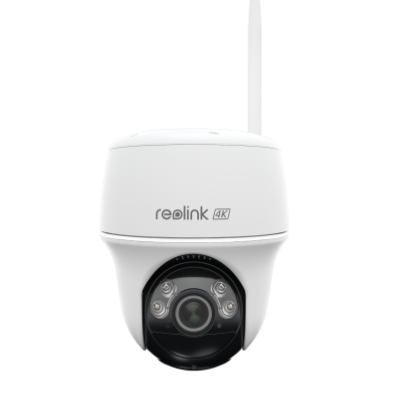
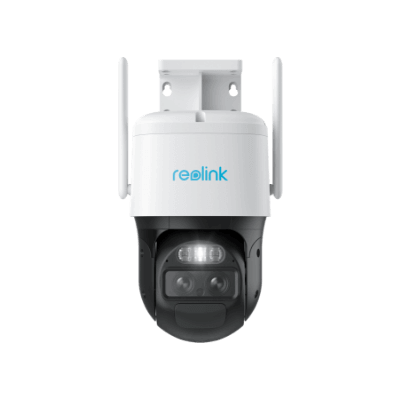
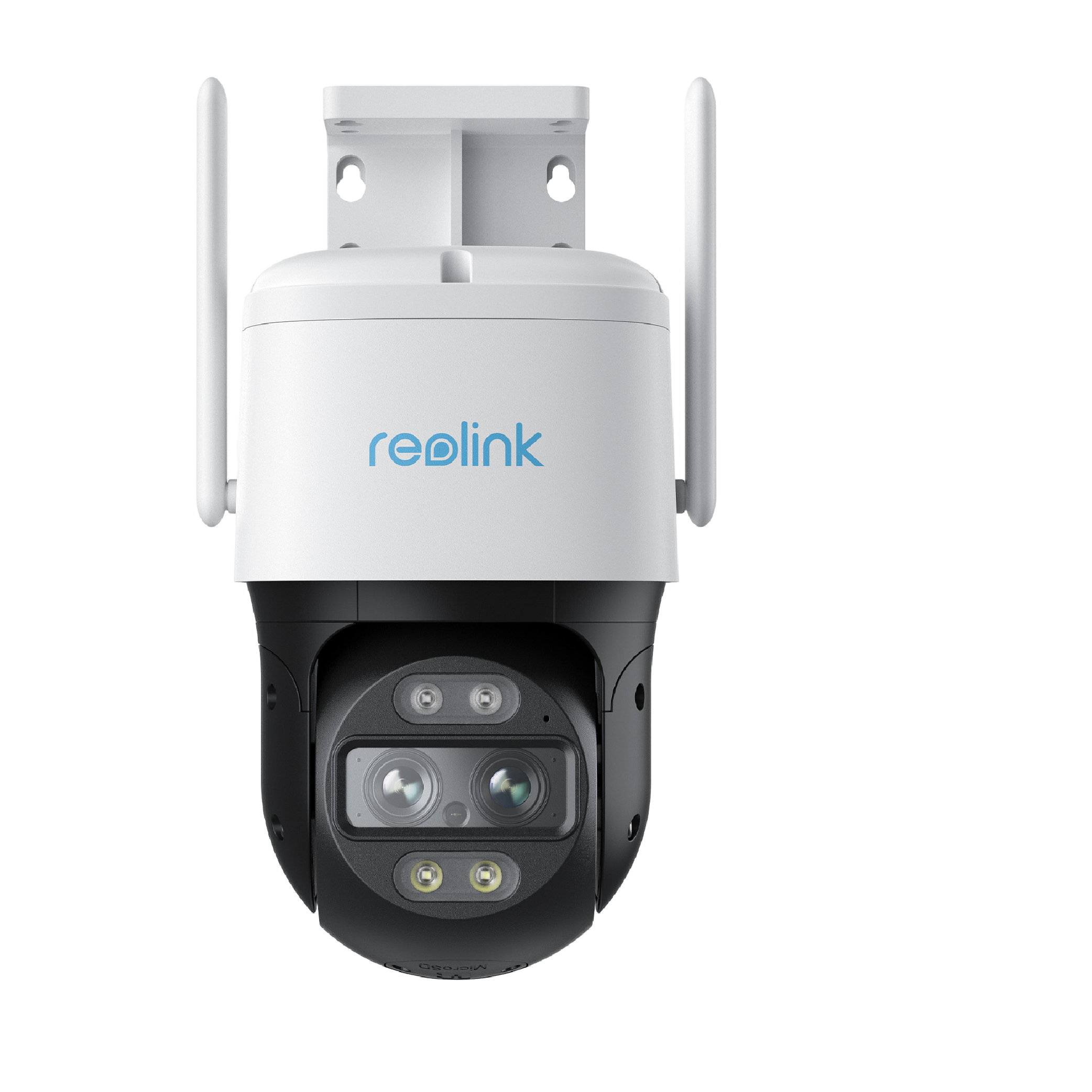
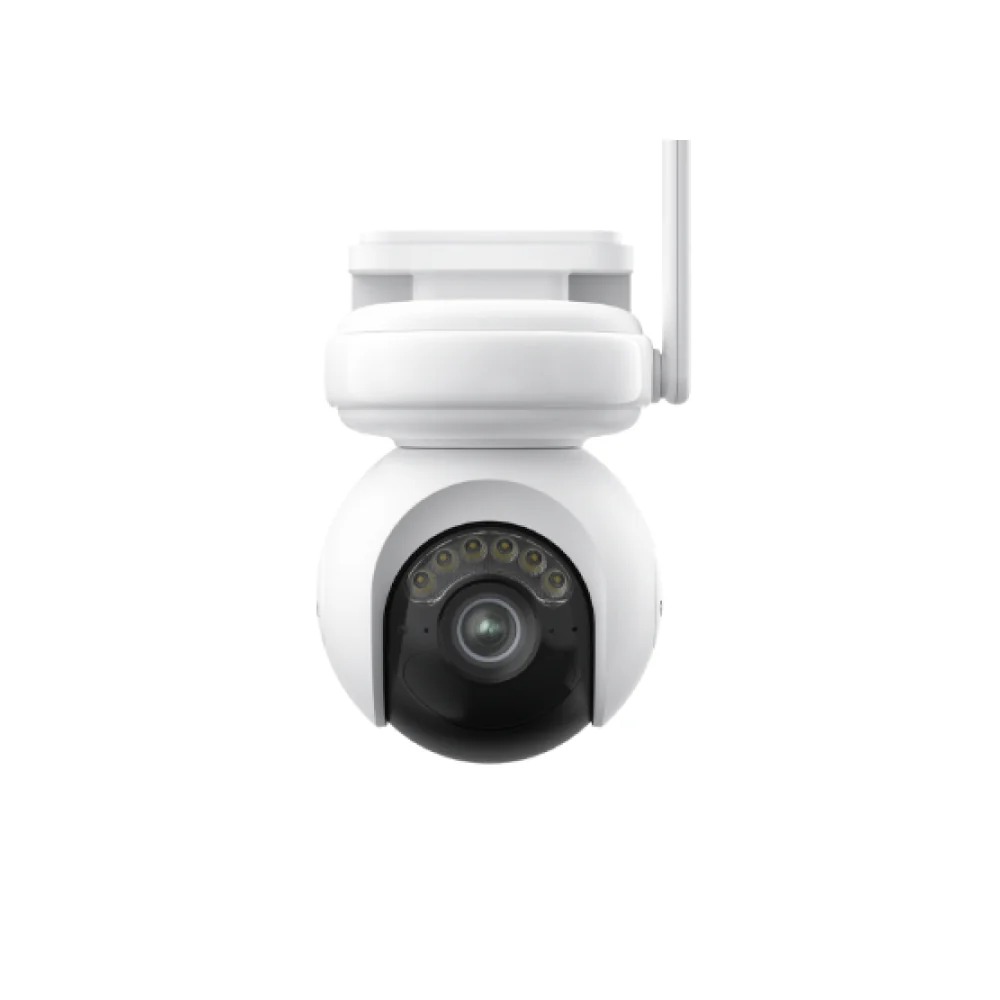
The choice is straightforward:Only need to record when someone enters the frame, the HK$789 Argus PT is sufficient; 5MP is perfectly adequate for viewing faces from 3–5 meters indoors.Need to see license plates or outdoor details, move up to the HK$1,099 PT Ultra 4K.Can't miss a single second(for example, monitoring workers or elderly people), then you need the HK$1,599 Altas PT Ultra—ordinary battery models only record motion-triggered clips, while the Altas delivers true 24/7 continuous recording.
Which one is best for outdoor Wi-Fi?
For outdoor locations, you need to consider water resistance, night vision, and whether anyone will actually pass by. This series ranges from HK$399 to HK$1,358, with eight models covering four needs: affordable entry-level options, spotlight color night vision, 180° panoramic coverage, and 24/7 continuous recording.


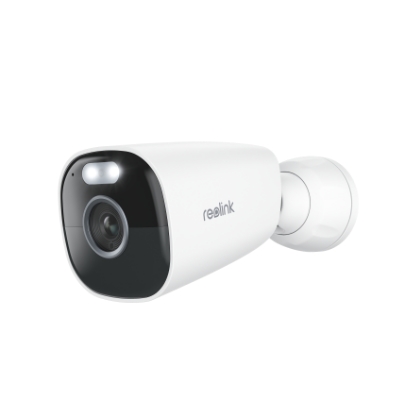
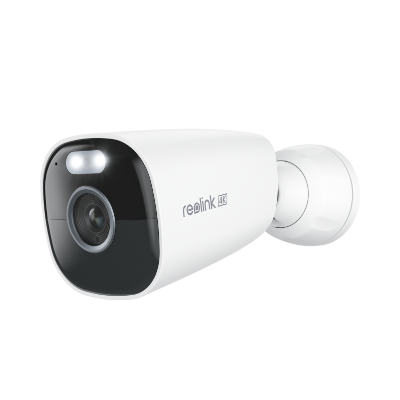
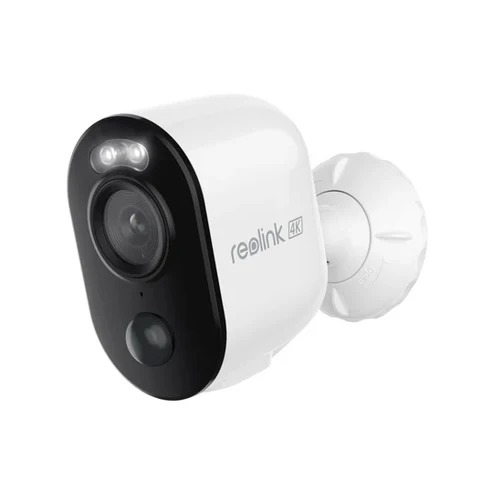
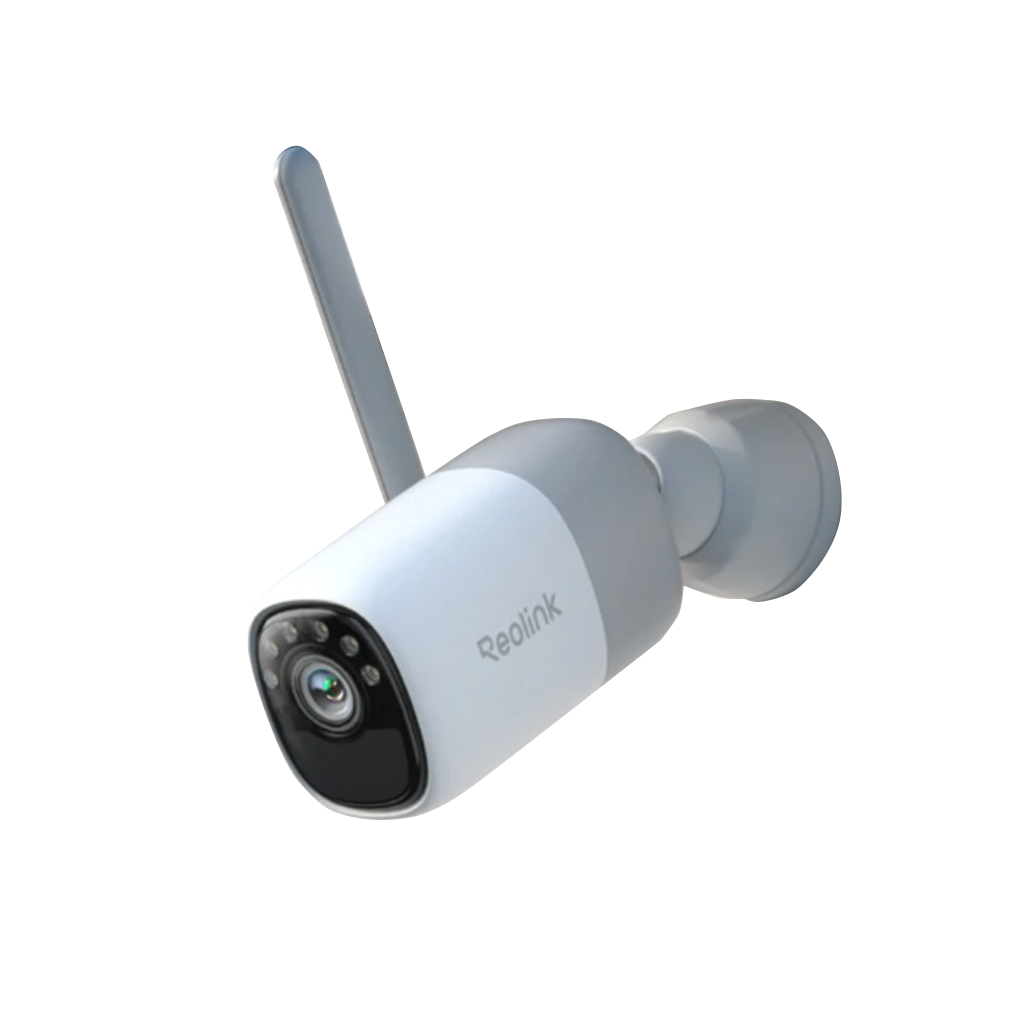
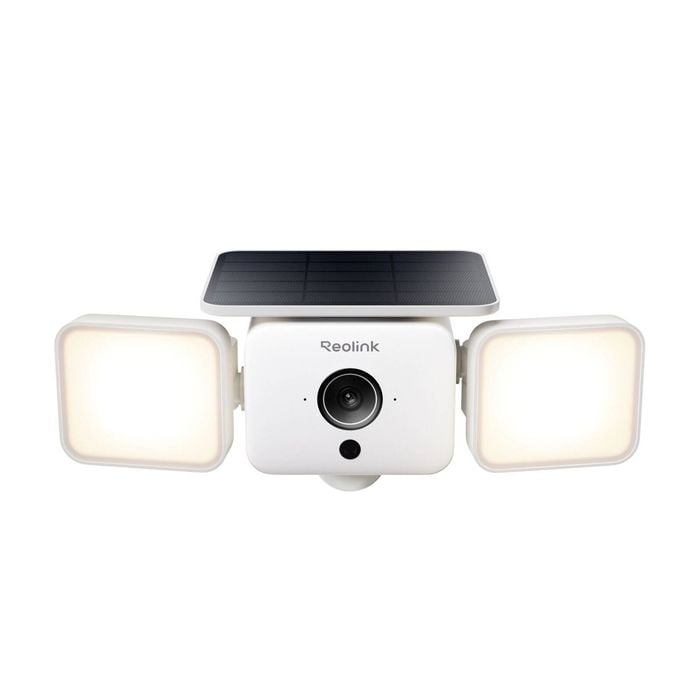
If you only want to buy one and keep things simple:HK$589 Argus 3 Pro 5MP is a long-time bestseller, offering spotlight night vision plus person / vehicle detection at a mid-range price for its category.For covering an L-shaped corridor or angled areaGo straight for the HK$1,358 Argus 4 Pro, with dual-lens 180° stitching—one camera does the job of two, so there is no need to install two units.Back alleys or garagesYou can consider the HK$930 Solar Floodlight Cam, which combines a camera and floodlight. The light turns on when someone walks past, providing more practical deterrence than recording alone.
All prices are based on the actual API prices on the verification date. Note that we have seen the same model differ by several dozen dollars between old price lists and online stores (for example, the old listed price for the Argus 4 Pro was HK$1,380, while the online store price on the verification date was HK$1,358),Please refer to the product page before placing an orderWe refresh the prices in this article once a month.
No Wi-Fi and no power at all—which 4G model should you choose?
For locations such as village house perimeters, car parks, construction sites and farmland, where Wi-Fi cannot reach and power cannot be supplied, the only viable option is a 4G SIM-card model. Prices range from HK$1,188 to HK$2,299, with differences in resolution, pan-and-tilt functionality, and dual-lens tracking.


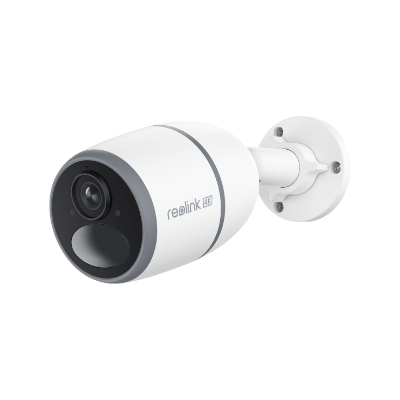
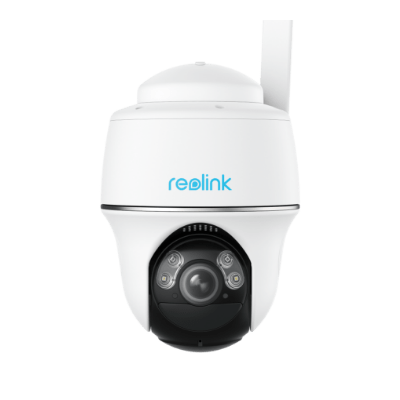
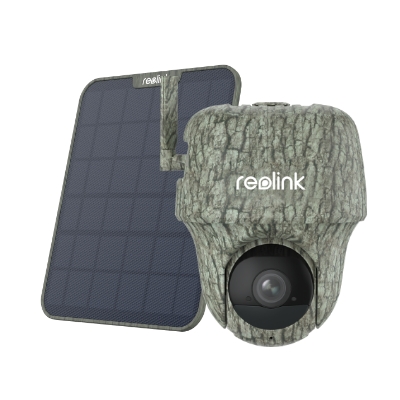 GO Ranger PT + Solar 2
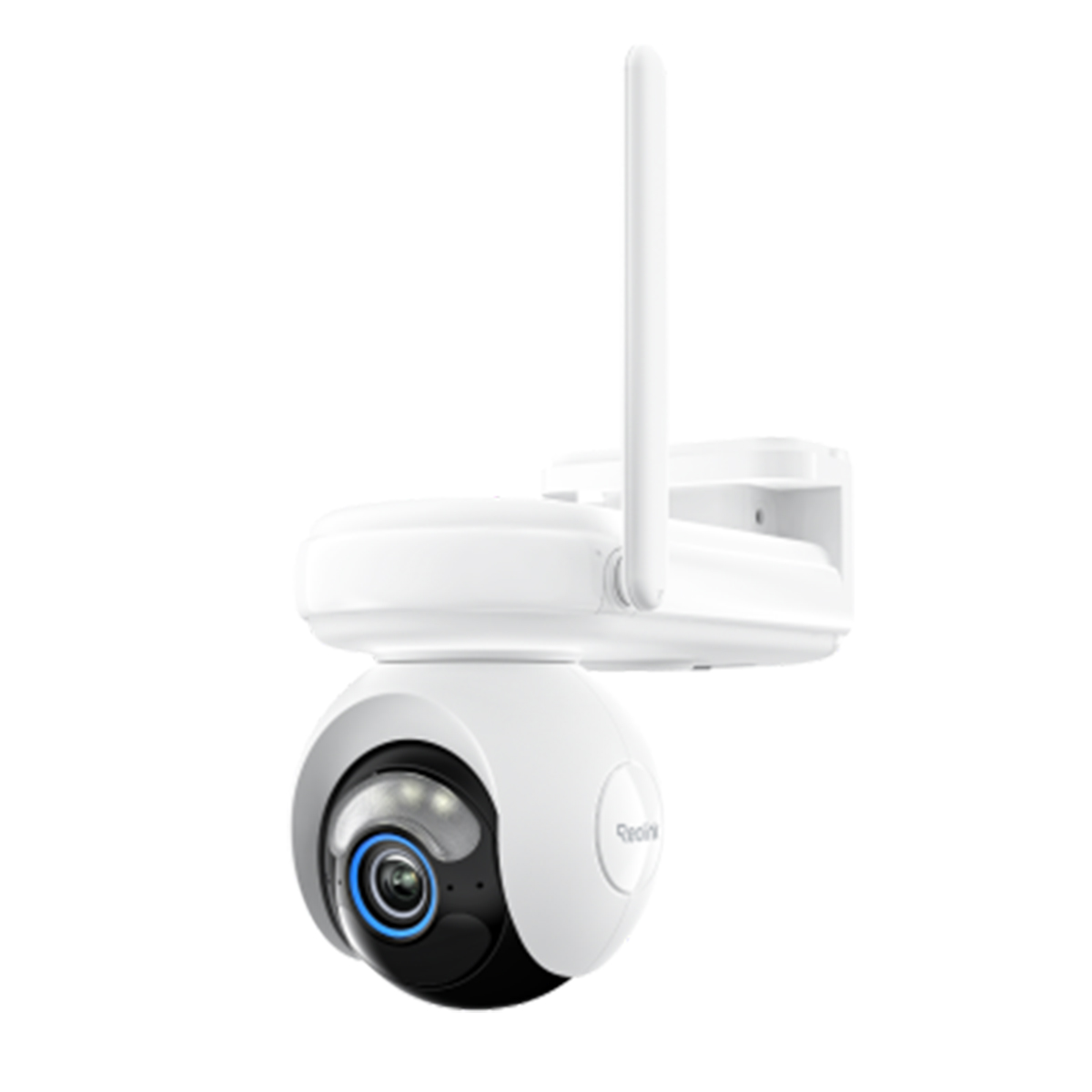
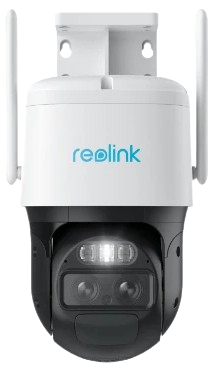
One cost not included in the product price is:The monthly fee and data usage of a 4G data SIM card. Data consumption can be substantial with 24/7 continuous recording. Actual usage in GB depends on the resolution and recording mode, so we do not quote it here,We recommend checking with your telecom provider how much data you plan to use, or choose to mainly record locally to microSD and only push clips when events occur. This is the hidden cost most often overlooked with 4G plans.
Is a solar panel necessary? How much does it cost?
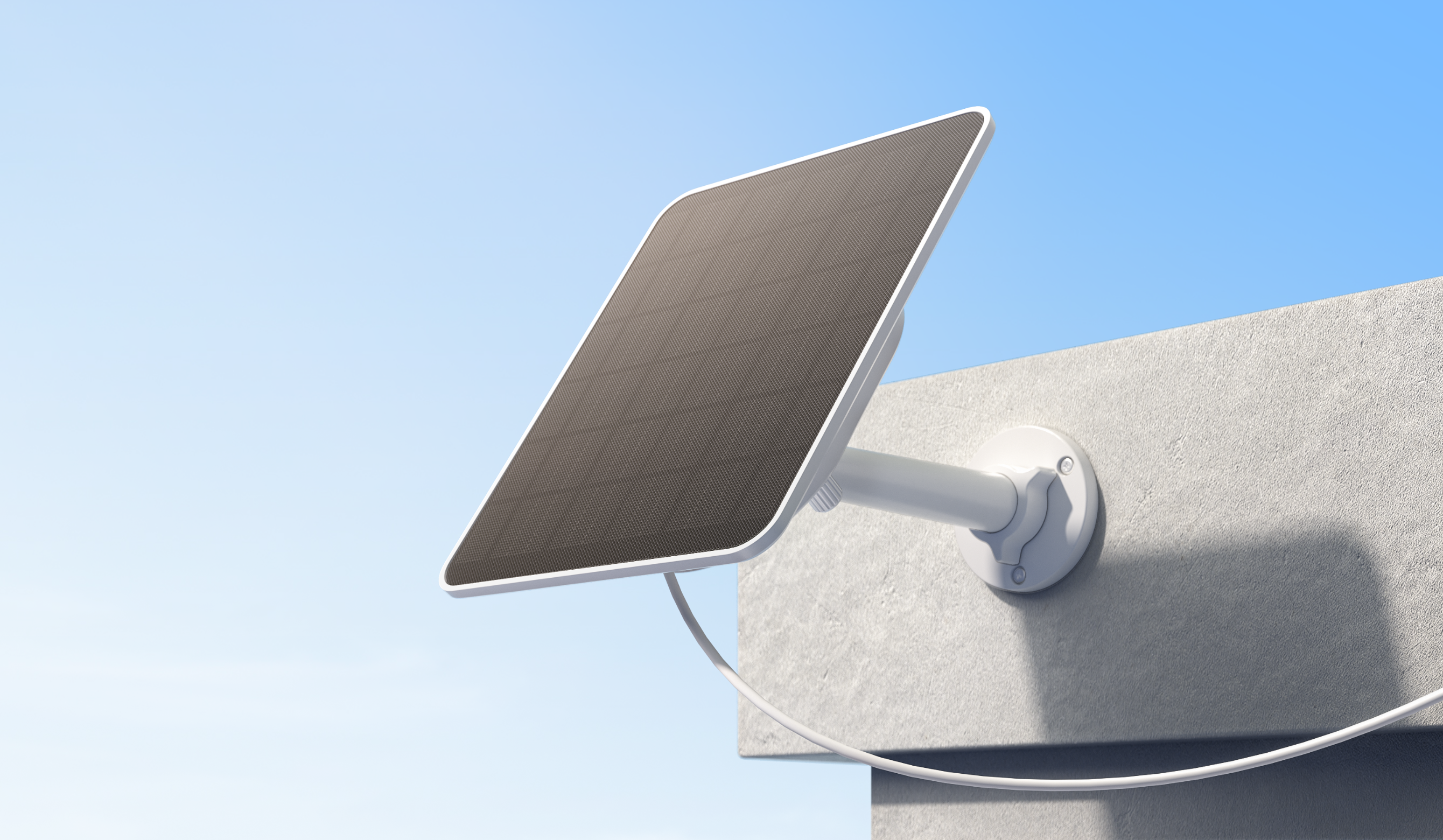
Not necessarily, but adding one makes a huge difference to the user experience—from “charging every few months” to “install it and forget about it”. The three panels range from HK$299 to HK$699, with the most commonly used 12W panel priced at HK$439. According to the manufacturer, 10–20 minutes of direct sunlight per day is enough for routine top-ups with the 12W panel; in practice, this will be reduced by Hong Kong’s dense urban buildings,we recommend at least 2–3 hours of effective sunlightbefore installing one.
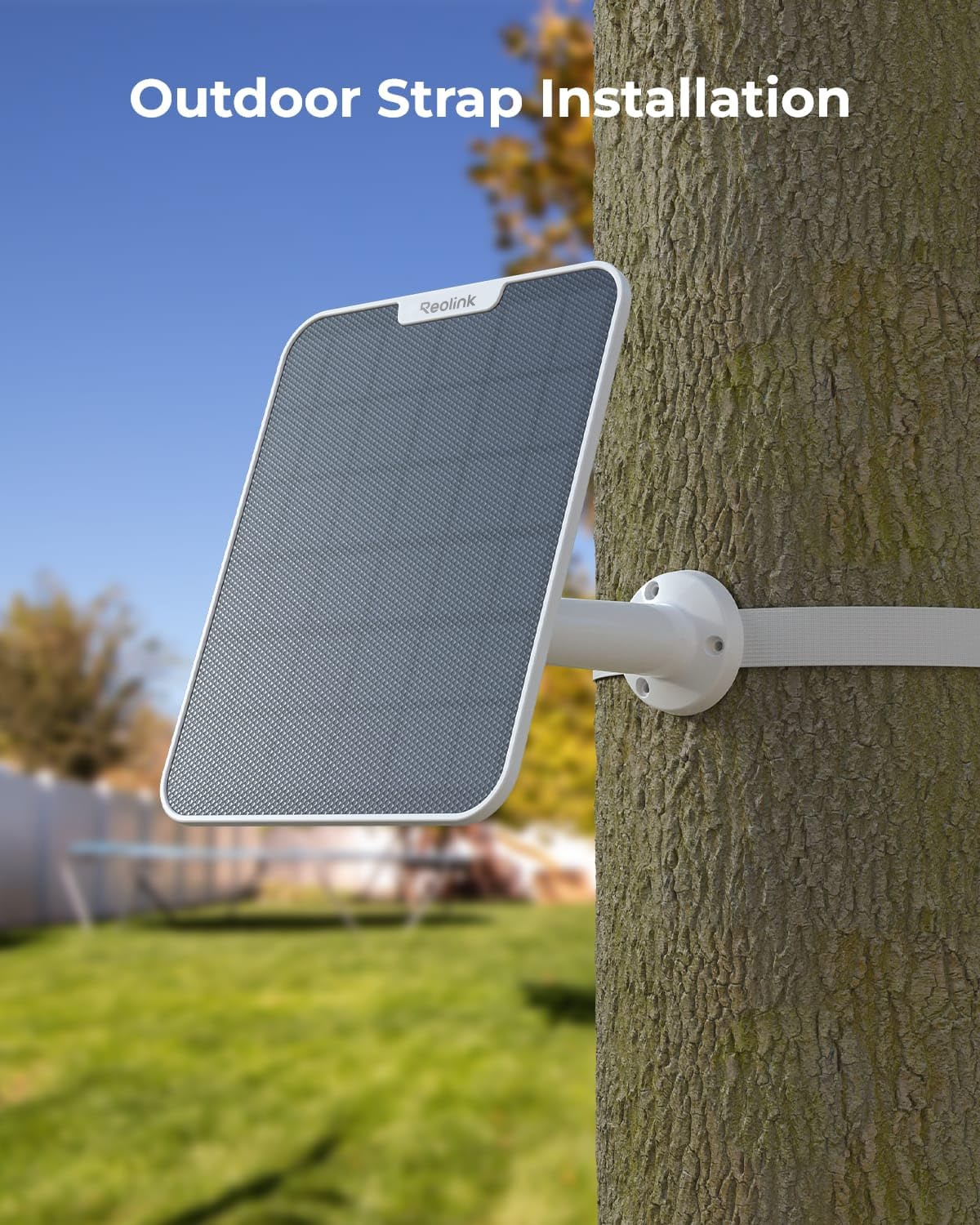
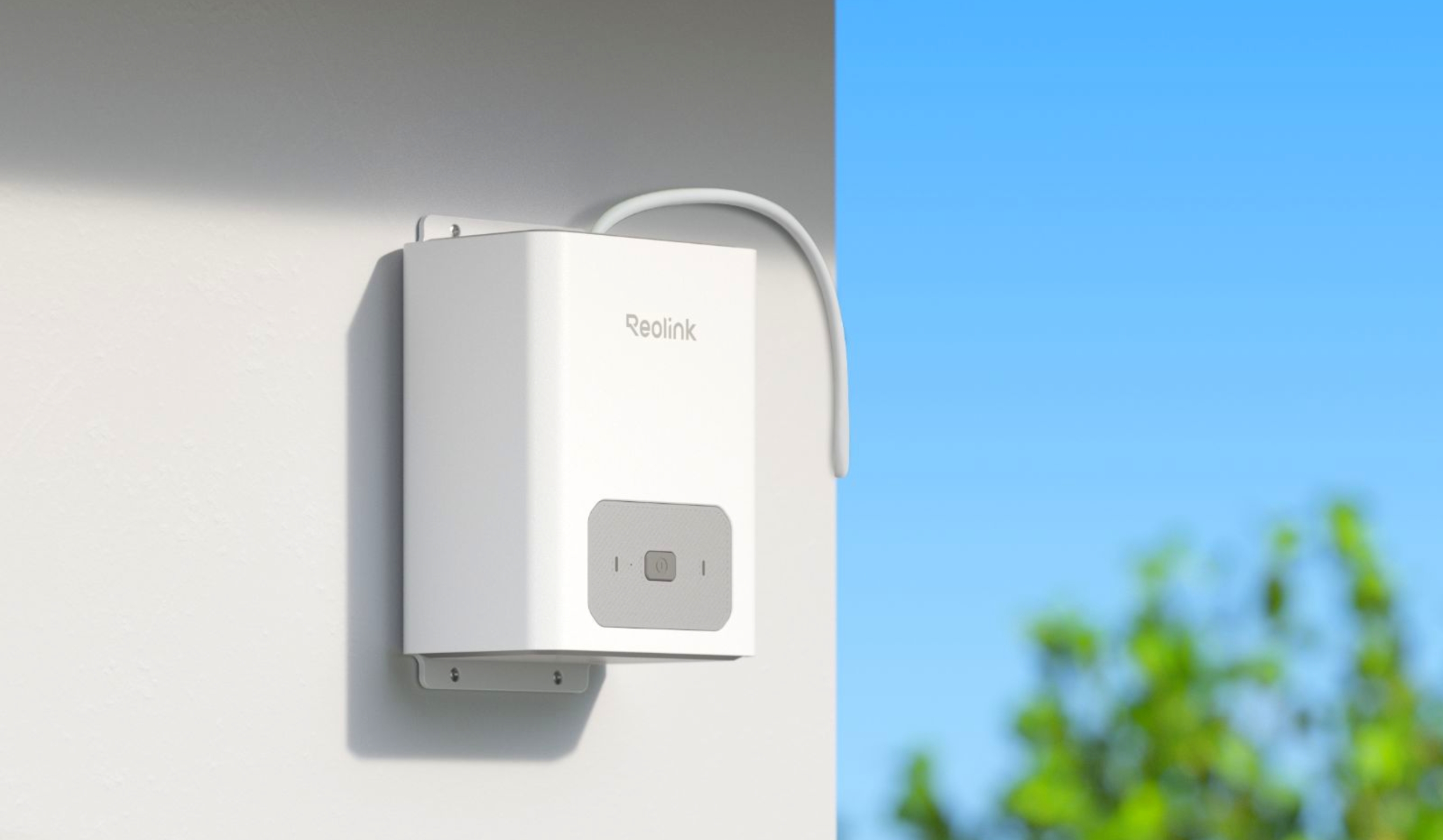
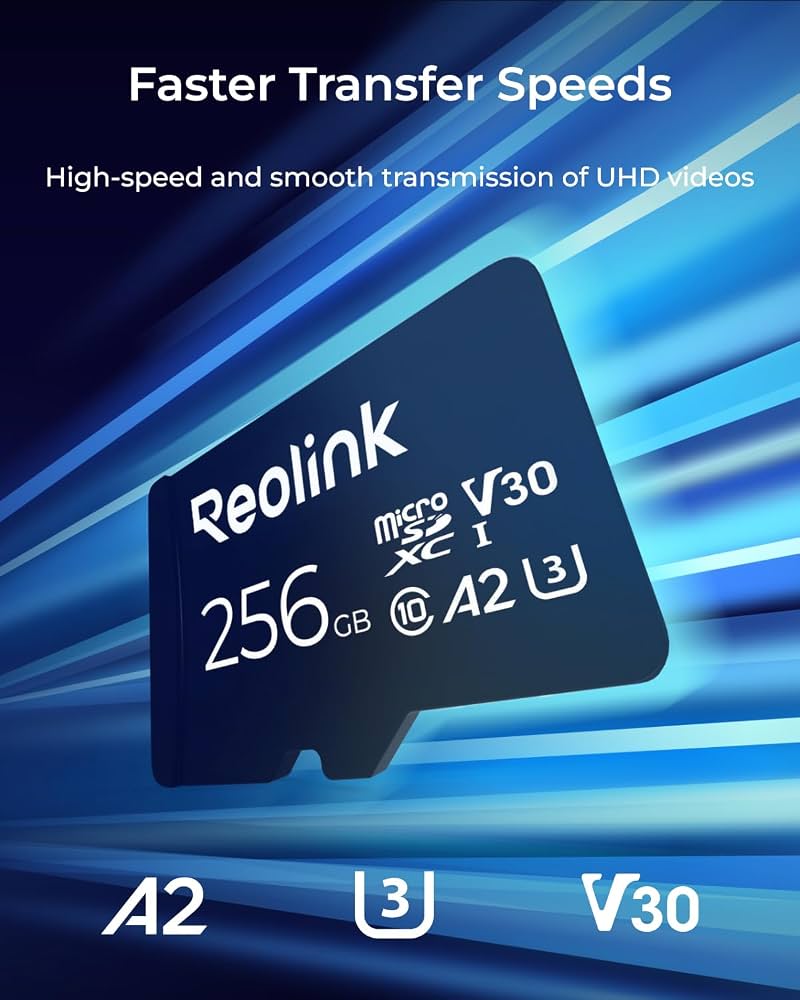
One limitation that must be made clear: Solar panels only work with “battery-powered cameras”. Plug-in E1 series cameras do not have batteries, so there is nothing to charge when a solar panel is connected—buying one would simply be a waste. We also recommend using a high-endurance microSD card (the 256GB card priced at HK$499 in our store is designed for surveillance use). Ordinary cards can easily fail after long-term repeated writing, making this one of the most commonly reported causes of failure among actual users.
Battery-powered vs plug-in cameras: what’s the difference?
The plug-in flagship E1 Outdoor Pro 4K at HK$1,029 is essentially the best solution if you need “a power outlet + automatic tracking + detection through glass.” Conversely, if there is no power outlet at the location, you should not force the use of an extension cable—using a battery-powered camera with a solar panel is more practical.
Three reasons battery-powered cameras are not suitable as a shop’s primary security cameras
Battery-powered cameras are designed on the premise that there is “no power, no network, and no convenient way to run cables,” whereas shops are exactly the opposite: they have power, network access, and a need for uninterrupted footage covering specific periods.There are three hard limitations to think through before buying.
- They only record events, and missed footage cannot be recovered.PIR triggers have a cooldown period. If a customer walks past quickly or is facing away from the camera, the camera may fail to detect them, leaving a blank section. Shop disputes often hinge on precisely those few seconds.
- No 24/7 continuous recording means you cannot provide complete footage for a specific period.Questions like “What happened between 8 and 10 p.m. last night?” cannot be answered with event recordings; insurance claims and employee disputes require footage covering the relevant time period.
- Battery replacement requires climbing a ladder.When a camera is installed high up in a shop, every battery replacement creates a risk of workplace injury and may require the shop to stop operating for more than ten minutes. Replacing the battery twice a year means that, after two or three years, the cost and hassle will already exceed that of running a cable.
For continuous recording in a shop, PoE is the way to go: a Reolink P330 8MP PoE camera, an NVS8-NHD 8-channel NVR, and a 120W PoE switch form the three core components of an 8-channel setup. SeeHow Much Does Shop CCTV Cost? (Actual 8-Channel Calculation). Battery-powered cameras are still suitable for rented shops where drilling into walls is not allowed, temporary pop-up stores, construction sites, and village houses.
What practical installation pitfalls are there in Hong Kong?
This section covers issues that will not appear on a price list but may arise only after installation. The following points come from the situations we encounter most often when handling enquiries:
- Ask first before drilling: For tenement buildings and village houses, exterior walls are privately owned, so tenants must obtain the owner’s consent first. In public housing and Home Ownership Scheme estates, corridors, light wells, and exterior walls are common areas, soyou must confirm with the relevant management office before installation. We cannot answer on your behalf, nor can we guarantee that any particular unit can be fitted with a camera.
- Keep PIR away from heat sources: The heat-dissipation area of an air conditioner, a water heater exhaust outlet, or a wall facing the afternoon sun can cause PIR to trigger false alarms every day. Before installation, stand at the planned location and check for hot air or direct sunlight.
- Height of 2.5–3 metres, angled slightly downward: If it is too low, people can easily push it aside; if it is angled too steeply, the lower half of the image will be filled with the ground. This angle has a major impact on the accuracy of human-shape detection.
- 2.4GHz for wall penetration, 5GHz for speed: For locations separated by two walls, choose 2.4GHz; use 5GHz only when you want smooth viewing within the same space.
- Typhoon season: Although the camera body is rated IP66 for water resistance, the bracket and cables need to be reinforced. Large solar panels are vulnerable to wind, so the prevailing wind direction must be considered when choosing the installation location.
- Face the solar panel south and avoid obstructions: Hong Kong’s buildings are densely packed, and actual sunlight exposure can vary several-fold between different units in the same housing estate.This needs to be assessed on site; you cannot simply copy someone else’s installation photos.
These are details you only learn by actually working in the Hong Kong market, and they are also the biggest difference between this article and a typical unboxing review. Most overseas reviews assume that you have a detached house, can drill holes wherever you like, and receive ample sunlight year-round. Applying those assumptions in Hong Kong can cause problems.
Frequently Asked Questions
How long can a battery-powered camera last?
Can the plug-in E1 series be connected to a solar panel?
Can it be powered by a power bank?
Can it detect people going outside through a glass window?
Are there any hidden monthly fees or subscriptions?
Do I need to buy a SIM card separately for the 4G model?
In one sentence: which model should I buy?
IndoorsBuy the HK$789 Argus PT;Outdoors with Wi-Fi buy the HK$589 Argus 3 Pro, or upgrade to the HK$830 Argus B360 if you need 4K;No Wi-Fi buy the HK$1,188 Go Plus;Need 24/7 recording with no gapsonly then should you consider the Altas Series. All models are subscription-free, and adding an HK$439 12W solar panel lets you install it and leave it running unattended.
Price verification date:2026-10-25. All prices in this article are automatically generated via the SHOPLINE product API and are not entered manually; if prices change, the checkout price on the product page shall prevail.
No monthly fees ・ Local microSD recording ・ Free app for remote viewing.
Argus PT entry-level model → | Argus 4 Pro 180° panoramic view →
Which model should you actually choose for your Hong Kong living environment (live prices as of 2026-10-28)
The same brand may require different models for different living arrangements in Hong Kong. The options below are ranked by actual installation environment, and the prices are the current lowest-configuration prices in our store.
Key dividing line:If cabling is possible, always use PoEIf cabling is not possible, there are two options — if Wi-Fi is available, use a battery-powered Wi-Fi camera; if there is no Wi-Fi, use a 4G camera. Get this choice wrong, and all the trouble that follows stems from it.
Actual NVR bundle cost breakdown (recorder unit price)
The following calculations use the recorder unit price, making it easy for you to add or remove cameras yourself.NVS8-NHD is HK$1,178, excluding the hard drive.
For recording and storage, 2TB is recommended for 4 channels, while 4TB is recommended for 8 channels or more; storage capacity directly determines how many days of footage you can review, so add more if it is insufficient.
What does “no monthly fee” really mean?
Reolink's local recording options (NVR / microSD / Home Hub) do not charge a monthly fee. This is the biggest difference between Reolink and subscription-based brands. However, note these three points:
- Cloud services are charged separately: Some cloud backups and AI cloud analysis features are optional subscriptions. They can still be used without subscribing, but cloud features will not be available.
- SIM data fees for 4G cameras: The Go / TrackMix LTE series requires your own SIM card, and data fees are charged by the telecom operator, not the brand.
- Storage media must be purchased separately: A microSD card or NVR hard drive is a physical cost and is not included in “no monthly fee”.
Related reading
- Reolink Altas PT Ultra 24/7 8MP Outdoor Waterproof Battery Camera HK$1,599 8MP 24/7 continuous recording
- REOLINK ARGUS PT 5MP Dual-Band Battery Wi-Fi Security Camera - White HK$789 5MP dual-band pan and tilt
- REOLINK Go Plus H.265 4G LTE 2K 4MP LTE Outdoor Waterproof Battery Camera HK$1,188 4G LTE, for village houses / construction sites
- Reolink Argus 3E Outdoor Waterproof Battery Camera HK$399 Entry-level 3MP battery camera
- Reolink E1 Zoom 8MP Wi-Fi Security Camera HK$769 8MP Wi-Fi pan-tilt camera (plug-in)
- Reolink E331 5MP Wi-Fi Security Camera HK$379 Most affordable entry-level 5MP Wi-Fi camera (plug-in)